Dog grooming · 3 min read
How often should your dog be groomed? A coat-by-coat guide for Malaysia
Grooming frequency for dogs by coat type, with notes on Malaysia's heat and humidity, what to do between salon visits, and signs you have waited too long.
By PGH Team · Published
Most dogs in the Klang Valley live indoors, in air-conditioning, and go outside into heat and humidity. That combination is kind to owners and hard on coats. Skin stays damp longer, fur mats faster, and ticks are a year-round problem rather than a seasonal one. The right grooming interval depends on the coat, so start there.
Grooming frequency by coat type
| Coat type | Typical breeds | Full salon groom | Brushing at home |
|---|---|---|---|
| Short, smooth | Beagle, Pug, French Bulldog, Dachshund | Every 6–8 weeks | Weekly |
| Double coat | Corgi, Shiba Inu, Husky, Pomeranian, Golden Retriever | Every 6–8 weeks (de-shed) | 2–3 times a week |
| Curly or wool | Poodle, Bichon, Doodle crosses | Every 4–6 weeks | Daily to every other day |
| Long, silky | Yorkshire Terrier, Maltese, Shih Tzu, Lhasa Apso | Every 4–6 weeks | Daily |
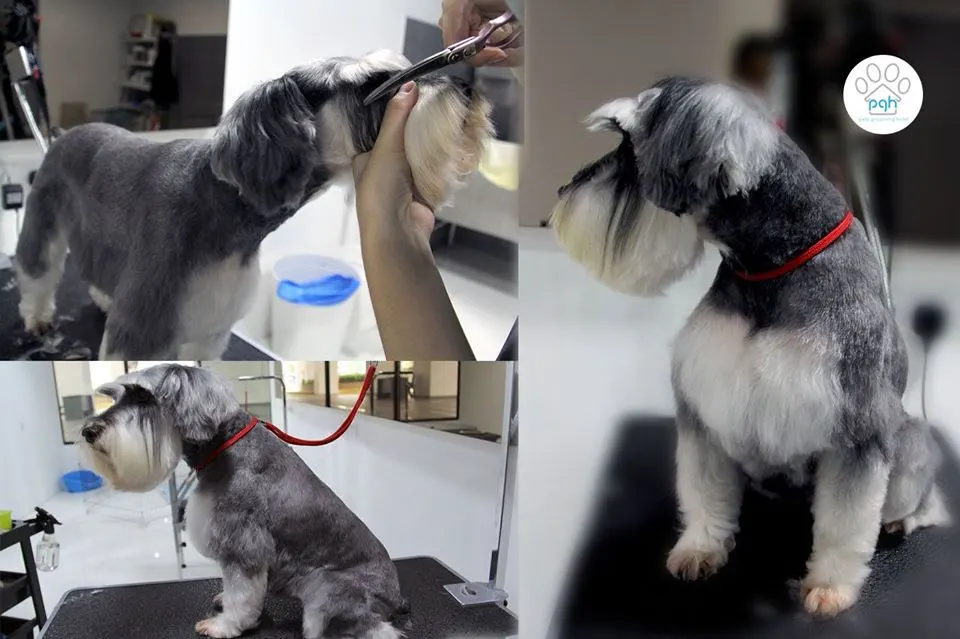
| Wire | Schnauzer, Jack Russell, most terriers | Every 6–8 weeks | Weekly |
The interval is the gap between full grooms. Nails usually need attention every three to four weeks regardless of coat, and ears should be checked weekly, especially on floppy-eared dogs.
Why curly and long coats need the shortest gap
Poodle-type and silky coats do not shed onto the floor. Loose hair stays in the coat, tangles with the hair around it, and forms mats close to the skin. In humidity, mats tighten as they dry. By eight weeks a Poodle or Maltese that is not brushed daily will usually need dematting, which is uncomfortable for the dog and often ends in a shorter clip than the owner wanted. Booking every four to six weeks avoids that.
What a salon groom covers that home grooming misses
A basic groom at PGH includes nail cutting and filing, ear clearing, shaving under the ear flap, shaving the sanitary areas and between the paw pads, expressing the anal glands, a bath, a blow dry and brush-out, and tidying the nose bridge and paws. Most owners can manage brushing and the occasional bath. Few are comfortable with anal glands, paw-pad shaving or a dog that hates nail clippers. Those are the jobs that build up between visits.
Between visits
- Brush before you bath. Water tightens existing mats. Brush through to the skin first.
- Dry properly. In our climate a damp undercoat is the fastest route to hotspots and that wet-dog smell. Towel, then blow dry on cool.
- Check paws and ears weekly. Grass seeds, ticks and yeast like warm, damp, hidden places.
- Tick prevention on schedule. Monthly spot-on or chew, every month, not just after a walk in the park.
Signs you have waited too long
Matting behind the ears or in the armpits, nails clicking on tile, head shaking or a smell from the ears, scooting on the floor, and a coat that stays damp hours after a walk. Any of these means book now rather than next month. See our guide to signs your pet needs grooming.
A simple rule
If your dog's coat grows, book every four to six weeks. If it sheds, book every six to eight. If you are not sure which, bring them in and ask. The groomer will tell you what the coat needs and when to come back.
Questions we get asked
- Can I groom my dog too often?
- Bathing more than once a week can strip natural oils and dry the skin. Brushing, nail checks and ear cleaning can be done as often as needed.
- Should I shave my dog for the Malaysian heat?
- Not double-coated breeds such as Huskies, Spitz, Shiba or Corgis. Their undercoat insulates against heat as well as cold and may not grow back properly. A good de-shed is safer. Single-coated breeds can be clipped shorter.
- Do short-haired dogs need professional grooming?
- Less often, but yes. Nails, ears, anal glands and a proper bath and de-shed still need doing every six to eight weeks.
Sources
Written by
The PGH team
Groomers and hotel staff at Pets Grooming Hotel, Main Place Mall, Subang Jaya. These guides are based on what we see on the grooming table and in the hotel every week. They are general advice, not a substitute for your vet.